
$89 for a Summer in China and $900 in 4 Days on GOG: Where to Sell Indie Games Besides Steam
Where to sell indie games besides Steam, and is it worth the effort? Right now Meltopia has $432,000 gross. How that result compares with other games, I broke down in the article on how much indie games make on Steam. When a game takes off like that, you immediately want to sell it everywhere else too. Over the summer and early autumn we tested three directions: the Chinese market, GOG and key stores. Here is what came of it, with numbers, including the ones you can laugh at.
China: a whole summer of work
We spent the whole summer on China. We translated the entire game, made a cover in Chinese and started writing to Chinese bloggers.
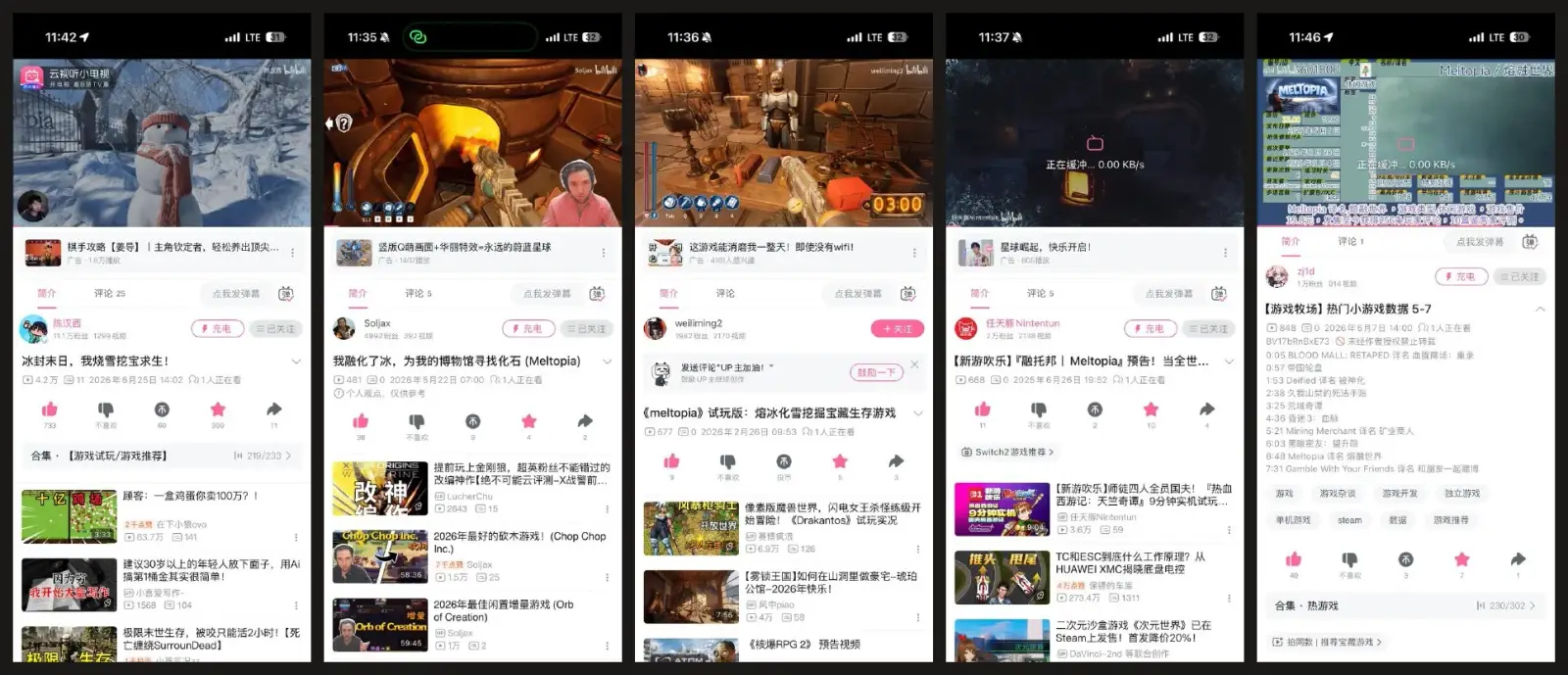
I talked about how we started in China in a video back in June: why we turned down a local agency, how we found a person in China and how we picked the game's Chinese name. The video is in Russian, and you can switch YouTube to the English dub track.
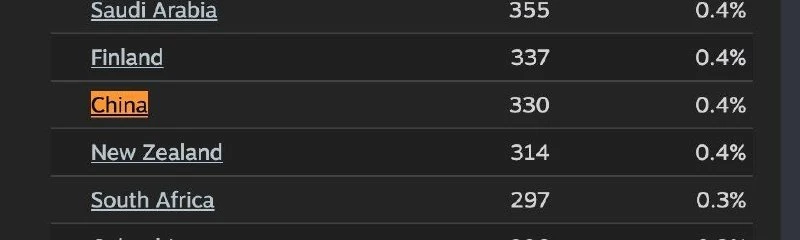
At launch we had just 21 sales from China, for a laughable amount of money. Here is the picture now:
- 330 sales;
- 0.4% of the game's total sales (it was 0.1%);
- $1,087 in revenue;
- $575 will reach our account after tax;
- $486 goes to the person on our team who did this work.
Well then! At least we ended up in the black.
Why I'm still happy with China
Honestly, I count the result as a positive one. We now have contact with Chinese bloggers, and promoting our next games through them will be easier. We also started something like a blog there, where we post about Meltopia from time to time.
Next we will keep writing to bloggers and running small experiments. I expect the profit to grow.
Selling your game on GOG: a front-page feature and $800-900 in 4 days
In early September Meltopia came out on GOG, and the store put us in a feature on its front page right away. We had already been through free storefront exposure on Steam during the demo festival: how we prepared the Meltopia demo for Steam Next Fest and what it gave us, I covered separately, and how Meltopia's wishlists grew before launch is in the article on Steam wishlists: how many you need before launch and where they come from.
In its first 4 days the game made roughly $800-900 net. How much of the revenue a store keeps and what reaches the developer in the end, I calculated step by step in the article on how much Steam takes from a game sale.
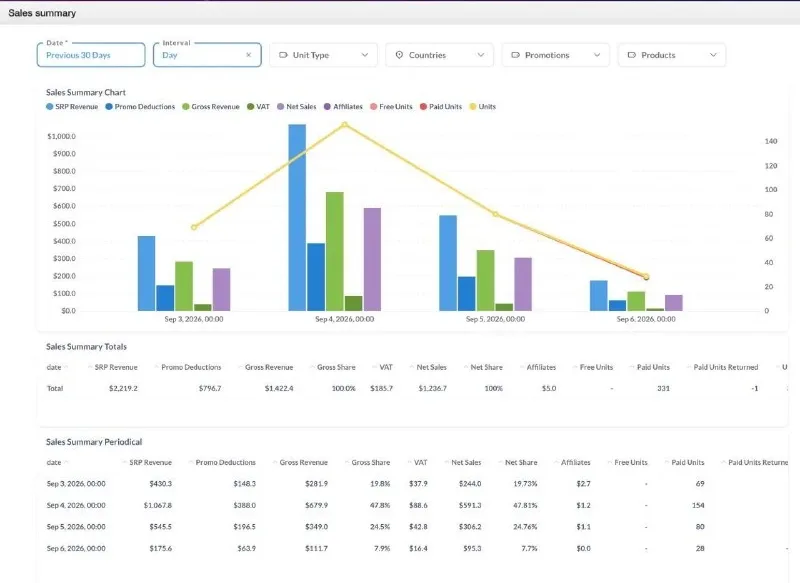
Not a lot, but not nothing either. For us it is one more small stream of money that simply did not flow before. Two more stores left to figure out: Humble and the Epic Games Store.
Key stores
At the same time, over a month we signed 4 stores that sell keys. We expect them to bring up to 10% of the game's revenue. Whether that actually works, I don't know yet; we'll see from the numbers. Usually a publisher handles negotiations with stores and partners like these and takes a share of revenue for it. What a publisher does and what it costs, I covered in the article on whether an indie game needs a publisher, but here we do everything ourselves.
Where to sell indie games besides Steam: the bottom line
All these small streams are part of preparing for our next launches, Clear the Snow and Silicone Heart. I want us to launch with a whole set of streams at once that add up to a river. The channels we are setting up on Meltopia now, the new games will get from day one.
If you look at China as a money result, it is laughable. If you look at it as building a system that will later bring sales of new games, it is not bad. GOG and keys follow the same logic: one game shows whether a channel works, and it starts making money on the next ones.
On one hand, $89 for a whole summer sounds funny; on the other, now there is a system. What do you think, was it worth it? And if you have already taken your own game to China, tell me how it went for you.
Frequently asked questions
Where can I sell my indie game besides Steam?
On Meltopia we tested three directions: the Chinese market, for which we translated the game and wrote to bloggers; GOG, which featured us on its front page; and key stores, 4 of which we signed in a month. Next on the list are two more stores, Humble and the Epic Games Store. Each channel brings little on its own, but together they add up to a stream the next games get from day one.
Is it worth releasing a game on GOG?
Meltopia came out on GOG in early September, the store put us in a feature on its front page right away, and in the first 4 days the game made roughly $800-900 net. For us it is one more small stream of money that did not flow before. Next to $432,000 gross on Steam that is not much, but the channel is now set up and new games get it from day one.
How much can you make selling a game in China on Steam?
Over the summer we got 330 sales instead of 21 at launch, 0.4% of all Meltopia sales. In money that is $1,087: $575 will reach our account after tax, and $486 goes to the person on our team who did the work. Net profit: $89. As a money result it is laughable, but we now have contact with Chinese bloggers, and promoting the next games through them will be easier.
What do key stores give a developer?
I don't know yet; we'll see from the numbers. Over a month we signed 4 stores that sell keys, and we expect them to bring up to 10% of the game's revenue. The logic is the same as with GOG and China: one game shows whether a channel works, and it starts making money on the next launches, Clear the Snow and Silicone Heart.
Sources
- Grishakov HQ Telegram channel, posts #3379, #3397, #3400, #3419: China, GOG and key stores (in Russian)
How we prepare Clear the Snow and Silicone Heart, with all the numbers as we go, on X
Evgeny on X